
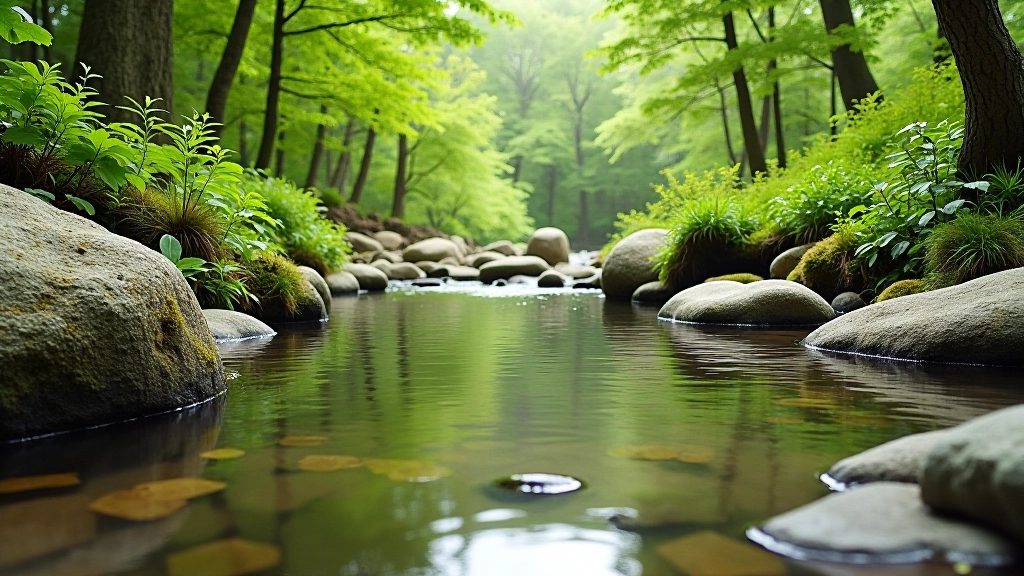
Spring Well Walks: Finding Rest Points Along the Route
Natural water sources and established rest areas mark the path. This guide covers...
The elevated wooden pathway makes this hazel woodland accessible year-round. We've mapped the route, identified rest benches, and covered seasonal conditions you'll encounter.
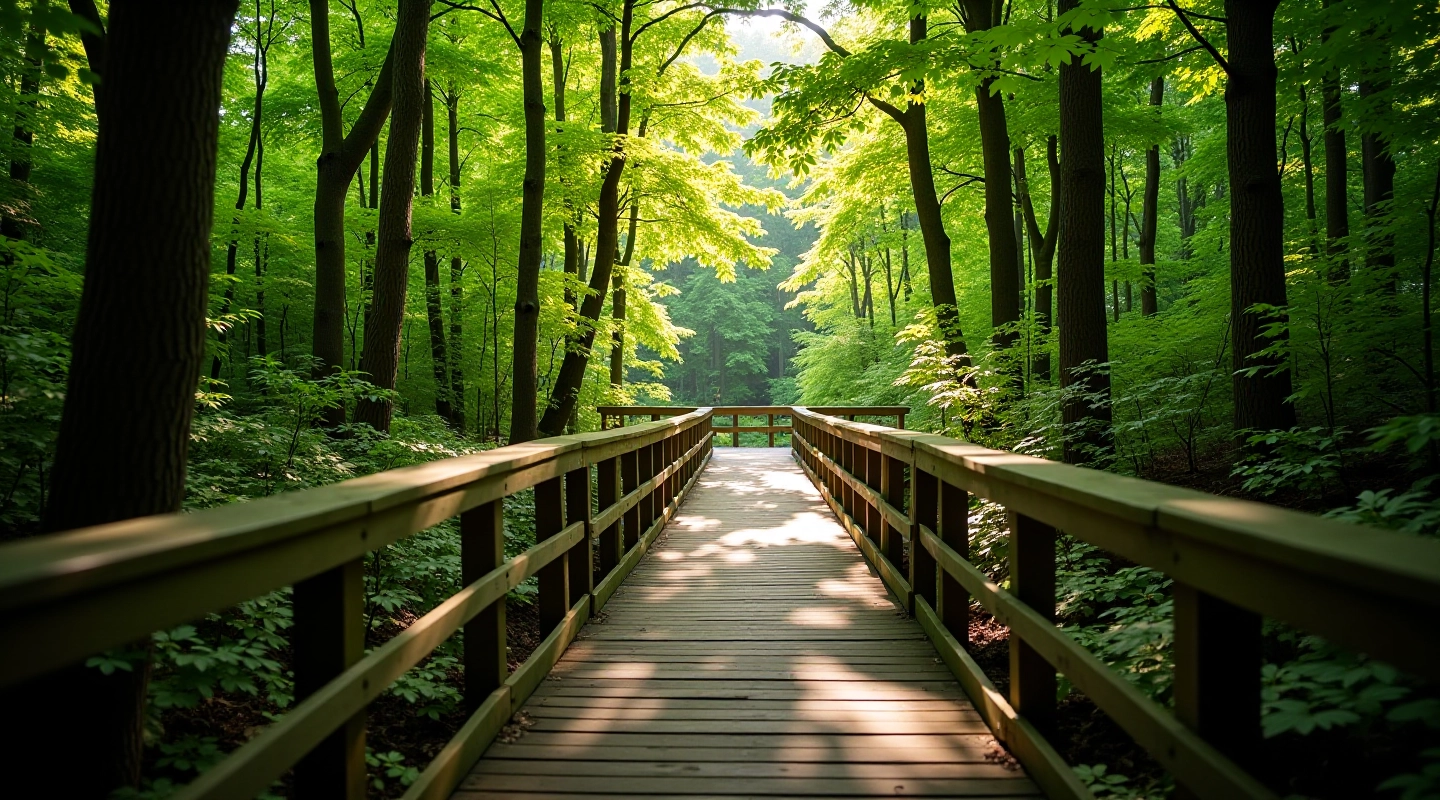
Dromore Wood isn't your typical forest trail. The elevated boardwalk system keeps you dry and safe regardless of weather, which matters when you're walking through native hazel woodland that can get muddy in minutes. We've spent time here across seasons and mapped out exactly what you need to know before you visit.
The 2.4-kilometre loop follows a historic path through trees that've been here for centuries. You'll see hazel, ash, and alder creating a canopy overhead. But here's what really makes it work for retirees and regular walkers: the boardwalk surface is forgiving on joints, there's nowhere you'll feel exposed to weather, and rest benches appear just when you need them.
The boardwalk circuit is straightforward. You won't get lost here—the path is clearly defined and there's nowhere to accidentally wander off. Starting from the car park, you'll head into the woodland on a gentle incline. The first 500 metres is the steepest section, but it's nothing sharp. After that, the path levels out considerably.
We've timed the walk at a comfortable pace: around 45 minutes if you're moving steadily without stops. But don't rush. The whole point is to spend time under the canopy. With six rest benches spaced along the route, you can break it into manageable segments. First bench comes at about 400 metres—perfect if you need to settle your legs before the slight climb.
The boardwalk width varies. Most sections are wide enough for two people side-by-side, but there are narrower stretches where you'll go single-file. The wood surface has been treated for grip, even when damp. That matters more than you'd think if you're managing balance or have slight arthritis in your knees.
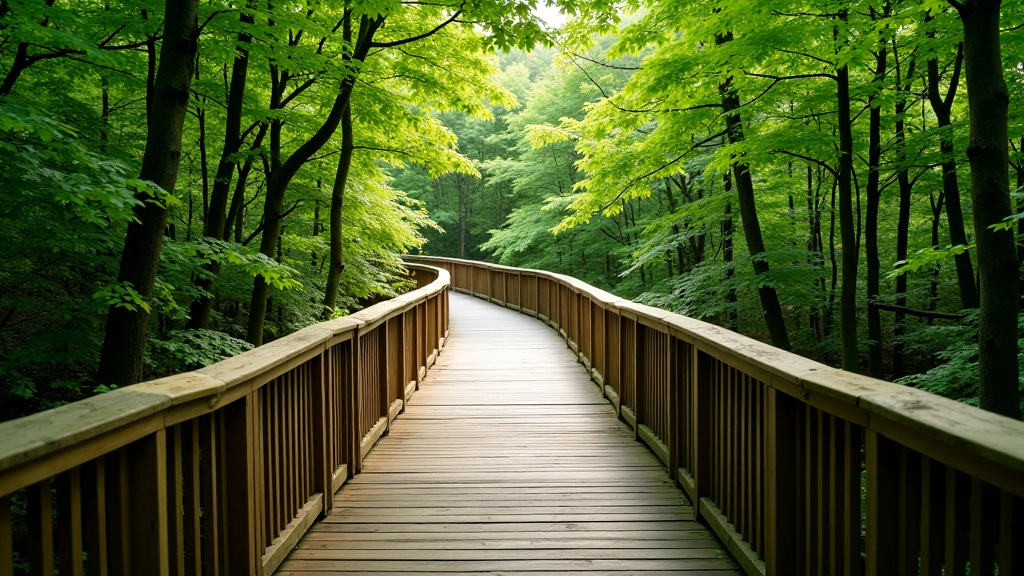
Six benches are positioned strategically around the loop. They're not clustered at the start—they're distributed so you've always got a stopping point coming up. This is exactly the kind of detail that matters when you're planning a walk that works for you, not against you.
400m from start. Solid timber construction, faces out into trees. Good place to catch your breath after the initial climb.
850m in. You can hear water from here—the stream below adds nice ambience. Shaded by overhanging branches.
1.2km. The quietest spot on the walk. Maximum tree coverage. Worth sitting here for 10 minutes just to feel the calm.
1.6km. Opens slightly here. Gets more sun than others. Good spot if you want light and visibility.
2km. You're on the home stretch now. Bench here if you want to ease the final 400m.
2.3km. Almost back. Positioned so you can see the car park. Sit here to recover before heading in.
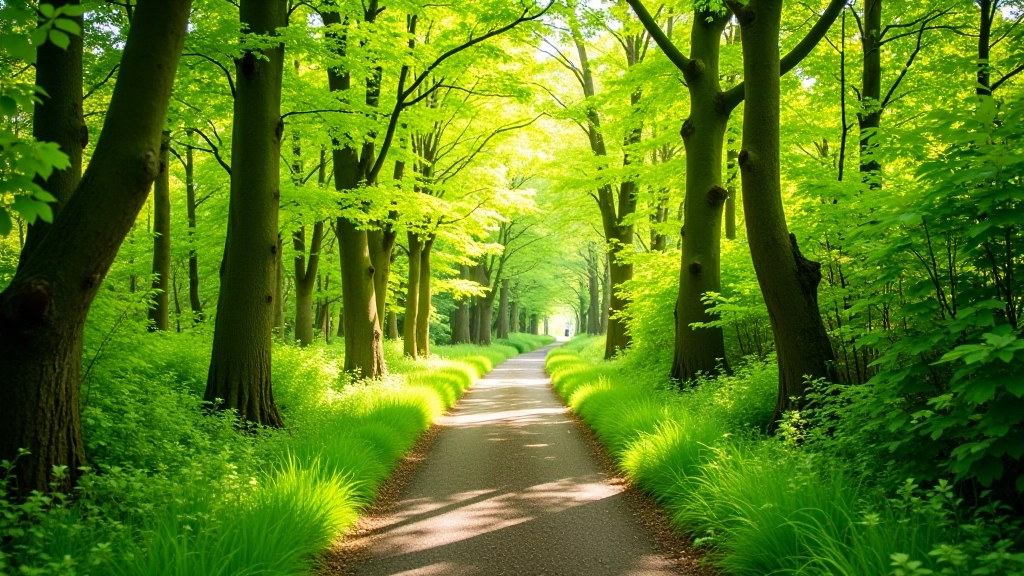
Spring (March to May) is when the woodland wakes up. Hazel catkins appear in late winter, then the leaves come fast. By May, you're walking under full green canopy. It's fresh, the air feels different, and the walk feels entirely new compared to winter. Underfoot? Dry. The boardwalk drains well even after rain.
Summer (June to August) brings longer light. You can do this walk until 8pm and still have good visibility. The canopy is dense—it's genuinely cooler under the trees. The boardwalk never gets slippery because it's elevated and gets good airflow. Insects are present but not overwhelming on the walk itself.
Autumn (September to November) is the most photogenic. Hazel leaves turn gold-brown, the light angles differently through the trees, and there's hardly anyone here. The boardwalk handles fallen leaves fine—they don't create a slipping hazard the way wet leaves on regular paths would.
Winter (December to February) keeps the woodland open. It's quieter, colder, but the boardwalk never gets icy because it's designed to shed water. Bring a waterproof jacket though—wind moves through the bare branches and rain can find you. Still entirely walkable.
Good walking shoes with solid grip. The boardwalk surface is kind to joints, but you still want proper ankle support. Trainers work fine if they've got decent tread. Don't wear anything with a smooth sole.
Bring a water bottle. There's no water fountain along the route, and you'll want to sip regularly. A 500ml bottle is fine for this distance at a comfortable pace. Two if you're walking in summer heat.
Even if the forecast looks clear, bring a lightweight rain jacket. You're under tree cover, so you won't notice rain starting until you're already damp. Five minutes of rain-stopping beats soggy clothes the whole walk.
Sun cream and a hat. The canopy filters some UV, but you'll still get exposure—especially on arms and face. A baseball cap keeps sun out of your eyes and rain off your face.
The path is marked clearly. You don't need a GPS or map. But having your phone handy isn't a bad idea—you've got signal for most of the walk and it's useful if something changes with your plans.
Small plaster, pain relief if you're prone to aches, and any medication you take regularly. You're never more than 10 minutes from the car park, but it's smart to be prepared.
Dromore Wood sits near Broadford, about 20 minutes from Ennis. If you're coming from Cork or Limerick, it's roughly 45 minutes depending on traffic. The car park is well-signposted from the main road. There's no admission fee—it's managed as an open woodland resource.
The car park has proper spaces (about 30 of them), a small shelter, and basic facilities. It's not fancy, but it's functional. Accessibility-wise, the boardwalk itself is excellent for wheelchair users and people with mobility issues. The entrance has a gentle ramp, and the surface is smooth and level throughout. You won't get stuck.
Opening hours are dawn to dusk essentially—there's no gate. Best time to visit is mid-morning or early afternoon. Weekends get busier, but even then it's not crowded compared to tourist hotspots. Weekday visits are quieter if you prefer a peaceful walk.

This is a safe walk, but there are practical things to know. The boardwalk has railings for most sections, but not all. Where it's elevated significantly, you've got protection. Where the path is at ground level or close to it, railings are minimal. None of this is unusual—it's just how woodland paths work.
Walking pace: The boardwalk is smooth, but it's still a woodland path. Uneven spots exist. Don't rush. Walking with someone else is safer and more pleasant.
Children: This is fine for kids, but they need supervision. The stream is audible but not visible from most points, so drowning risk is minimal. Still, keep them close in unfamiliar woodland.
Dogs: Dogs are allowed and welcome. Keep them on lead if they're not reliable around other walkers. The path is wide enough for dog-walkers and regular walkers to pass comfortably.
Mobility aids: Walkers and canes work fine here. The surface is stable and railings are present where you might need them. Wheelchair users should be able to complete the full loop comfortably.
Emergency contact: Mobile signal is reasonable but not guaranteed everywhere. Tell someone where you're going and when you expect to be back. You're never far from help, but it's sensible planning.
Dromore Wood isn't spectacular in the Instagram sense. You won't find dramatic vistas or rare wildlife. What you get is something simpler and more valuable: a well-maintained path through ancient woodland where you can walk comfortably, rest when you need to, and spend time under trees without worrying about mud, slippery roots, or exposed terrain.
It's the kind of walk that works for people who want fresh air and movement, but who don't want to fight the forest to get it. The boardwalk is honest design—it doesn't try to be fancy, it just works. The benches appear exactly where you'll want them. The path goes where it needs to go.
We've mapped it, timed it, and tested it across seasons. Whether you're planning a solo walk, taking a family outing, or introducing someone to woodland walking, this path delivers. It's accessible, it's beautiful in its own way, and it's there waiting for you whenever you need a proper walk through native hazel woodland.
This guide is based on direct observations and measurements made during 2026. Walking conditions, boardwalk maintenance, and bench locations can change seasonally or due to maintenance work. We've provided accurate information based on current conditions, but we recommend checking with local management or visitor resources before visiting if you have specific accessibility needs or concerns about current path conditions. Weather, seasonal changes, and unexpected maintenance may affect your experience. This guide is informational—use it alongside common sense and your own judgment about fitness and safety when planning your visit.
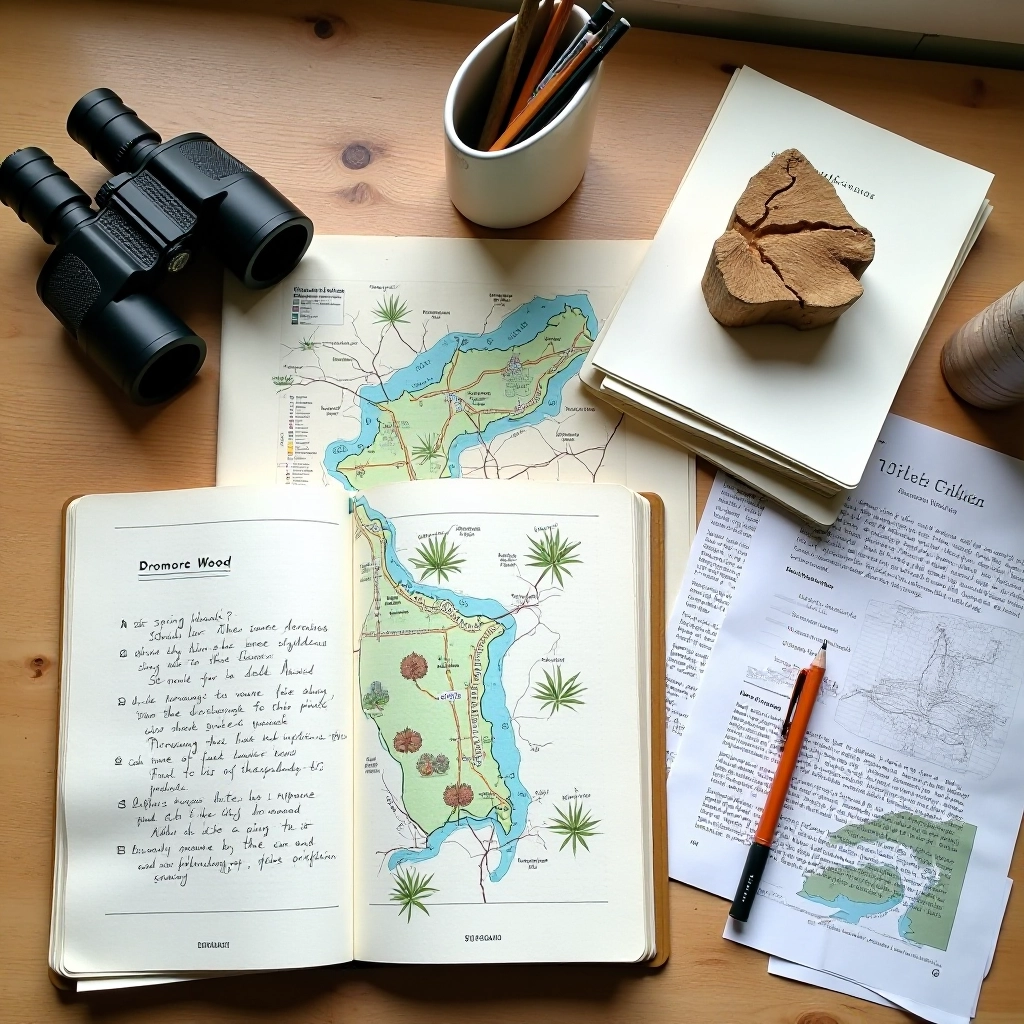
Editorial Team
Written by the Dromore Wood editorial team, focused on honest, practical guidance for nature walks and woodland rest.
Natural water sources and established rest areas mark the path. This guide covers...
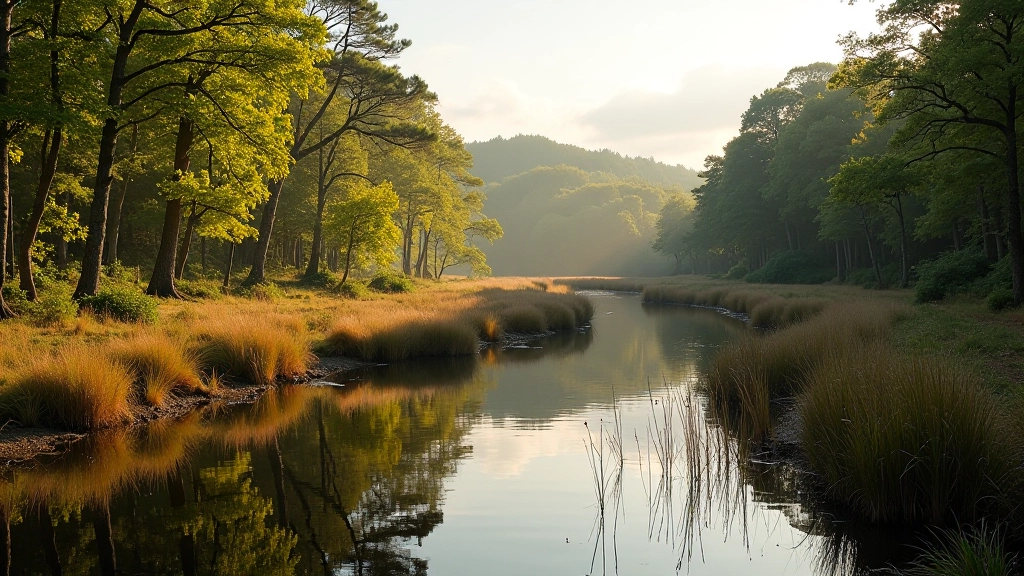
These temporary water bodies change throughout the year. Learn when they're acce...

We've timed walking segments between rest benches and suggested break durations....