
Spring Well Walks: Finding Rest Points Along the Route
Natural water sources and established rest areas mark the path. This guide covers where to find them, water safety, and what wildlife you're likely to see.
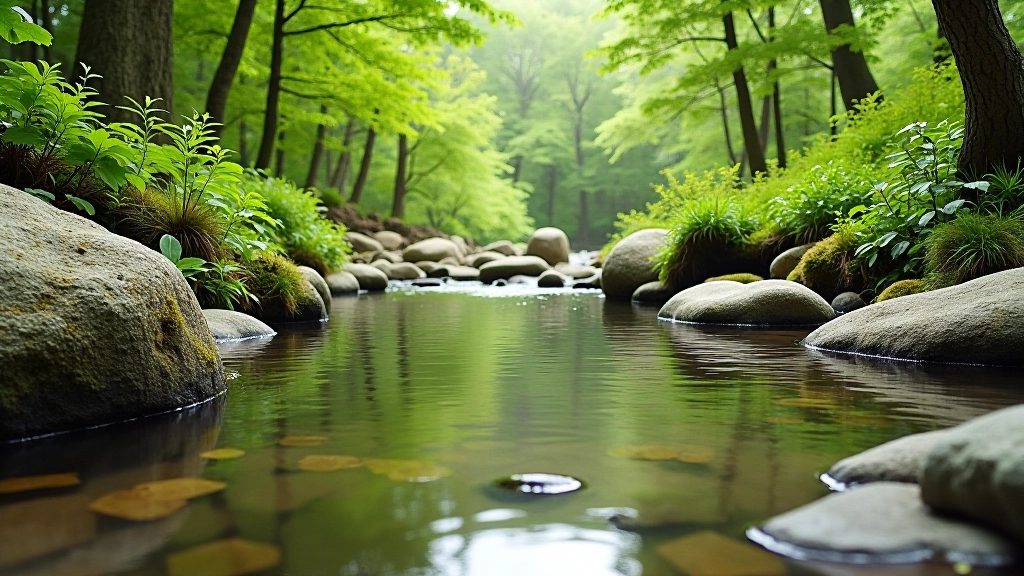
Why Rest Points Matter on Nature Walks
Walking through the hazel woodland isn't a race. Finding good places to rest — genuinely good spots with water access, shelter, and somewhere comfortable to sit — changes how you experience the entire route. It's not about being slow or tired. It's about letting yourself absorb what's around you.
The spring wells along this walk aren't accidents. They've existed for centuries, and local walkers know them well. We've mapped the clearest ones, checked water quality, and noted which benches offer real views rather than facing a wall of vegetation.
established rest benches along the main route
natural spring water access points
comfortable walk with proper breaks
Identifying Safe Water Sources
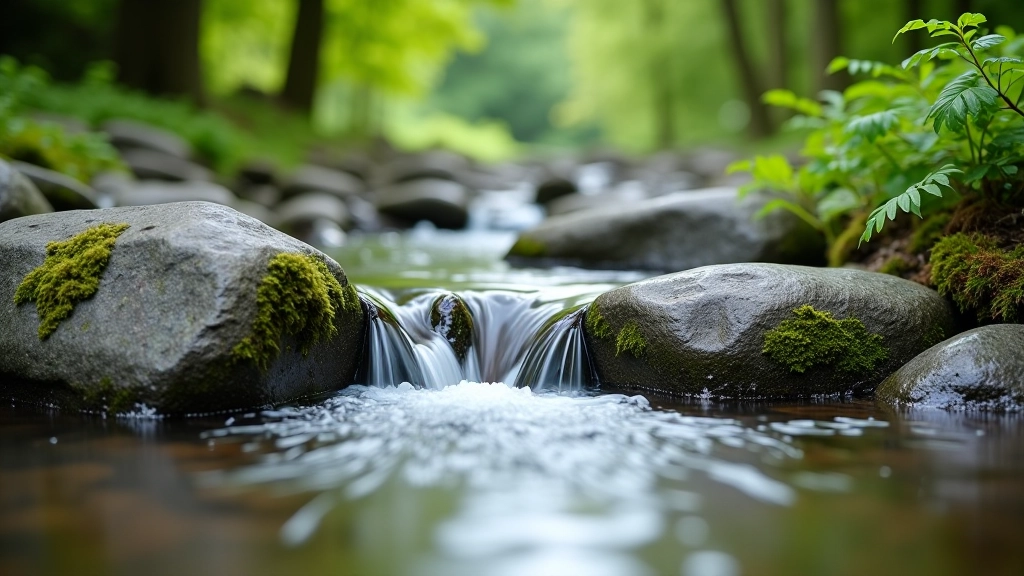
Not every pool of water along the path is drinkable. Spring wells are different from rain-fed puddles or stagnant areas. You'll know you've found a genuine spring because the water's usually cooler, clearer, and it'll have a bit of movement to it — even just a gentle trickle feeding in.
The four main springs on this route all have smooth stone edges worn down by centuries of use. Water quality varies by season though. In summer, when there's been little rain, springs can concentrate minerals and algae. Winter and early spring water is generally safest.
- Clear water with visible bottom = good sign
- Moving water beats still water
- Bring a lightweight filter or boil before drinking
- Avoid water after heavy rain
The Rest Benches: Where and What to Expect
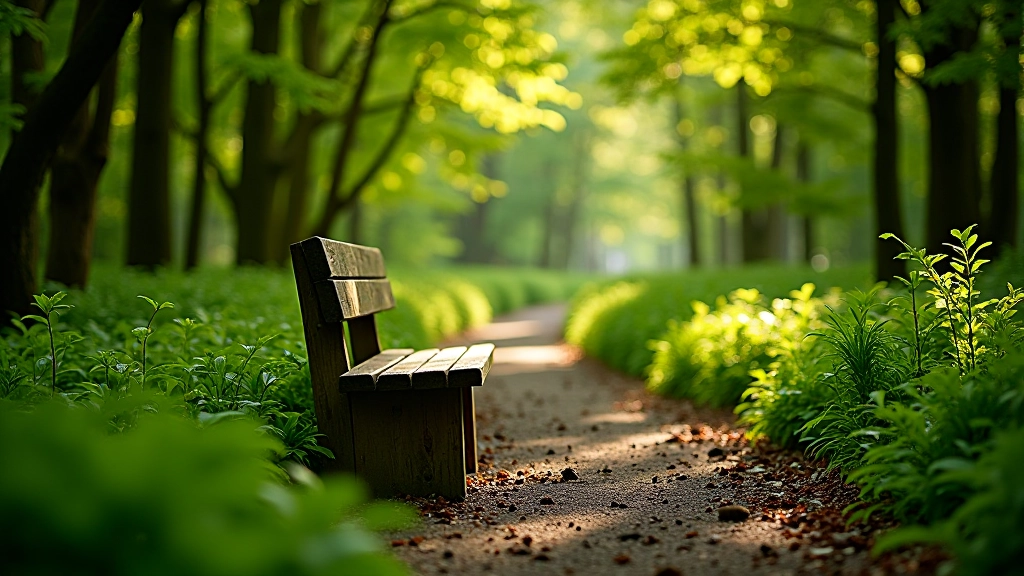
Seven benches are positioned strategically along the walk. The first one appears after about 25 minutes from the main entrance — you'll find it tucked into a slight clearing where the path curves. It faces towards the mature hazel trees, not the best view, but it's solid and gets morning sun.
We've noted that the benches at the 45-minute and 75-minute marks offer the most interesting sightlines. You're actually looking out across the woodland rather than into dense vegetation. These are the spots where you'll see birds moving through the canopy.
The wooden construction means benches need maintenance, especially after winter. Some may be temporarily closed for repairs. Check locally or call ahead if you're visiting between November and March.
Wildlife and What You'll Encounter
The hazel woodland supports a specific range of birds and small mammals. You won't see deer regularly — the area's too managed — but you'll definitely hear nuthatches, great woodpeckers, and in winter, various thrush species. They're most active in early morning, which is another reason to start your walk before 10 am.
Spring water attracts activity. Sit quietly at a rest bench near water for even 10 minutes and you'll notice things moving. Wrens especially love damp areas with dense cover. You might also see evidence of badger activity — worn paths, digging — but encounters with the animals themselves are rare.
The spring wells themselves are interesting ecosystems. Aquatic insects, tiny crustaceans, and occasional newts live in the deeper pools. It's worth bringing a small magnifying glass if you're interested in micro-wildlife.
Pacing Your Walk for Maximum Enjoyment
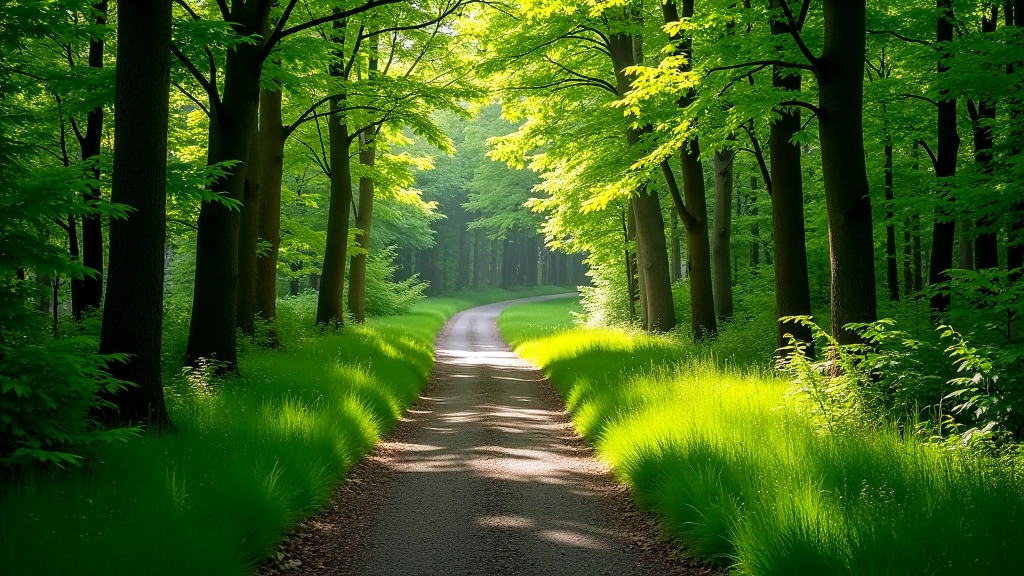
The route covers roughly 3 kilometers. With proper breaks at rest points, it takes 2 to 3 hours. Don't think of this as slow — you're actually moving at the pace where you'll notice things. Birds won't flee when you approach. The woodland details become visible.
A sensible rhythm: walk for 20-30 minutes, spend 10-15 minutes at a rest bench or spring water area. Use these breaks to refill water bottles, sketch something, just sit and listen. This breaks the walk into manageable segments and means you're never more than 30 minutes from a place to sit down.
If you're going with a group, the breaks serve another purpose — they let faster walkers and slower walkers stay together without anyone feeling rushed.
Hydration
Bring 1-1.5 liters to start. You can refill at springs if you're confident about water quality.
Footwear
The path gets muddy near water sources. Waterproof boots beat trainers.
Timing
Early morning (before 10 am) gives you the best wildlife activity and quieter paths.
Taking Your Time Through the Woodland
Spring Well Walks aren't about covering distance quickly. They're about moving through the hazel woodland at a pace where you actually notice what's there. The rest points — benches and water sources — aren't obstacles to overcome. They're the real destination. Sit for longer than feels necessary. Watch the light change through the canopy. Listen for birds. This is where the walk becomes memorable.
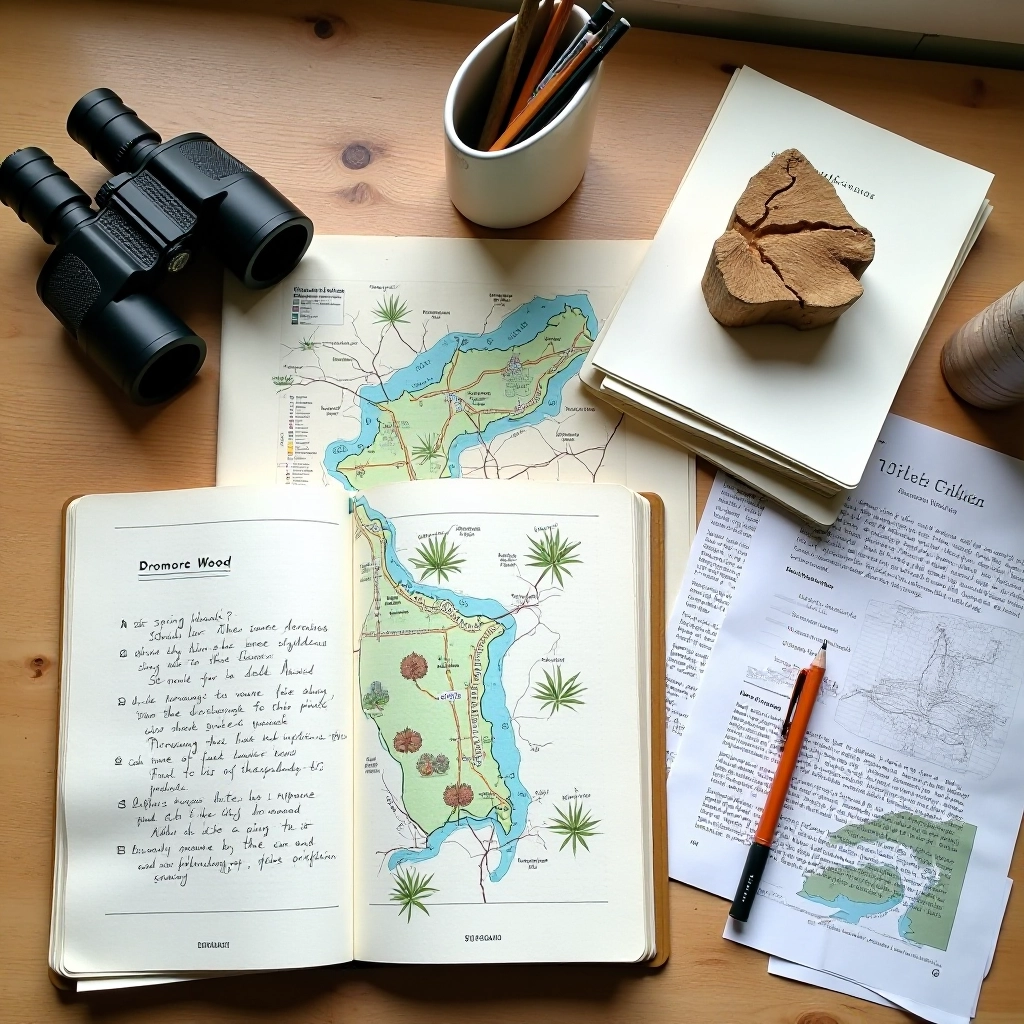
Dromore Wood Editorial Team
Editorial Team
Written by the Dromore Wood editorial team, focused on honest, practical guidance for nature walks and woodland rest.
Important Information
This guide is provided for educational purposes. Walking conditions, water availability, and wildlife sightings vary by season and weather. Always check current conditions locally before your visit. Water from natural sources should be filtered or boiled before drinking. If you have mobility concerns or health conditions, consult your doctor before undertaking woodland walks. The information here is based on typical conditions but circumstances change — use your judgment and prioritize your safety.
Related Guides
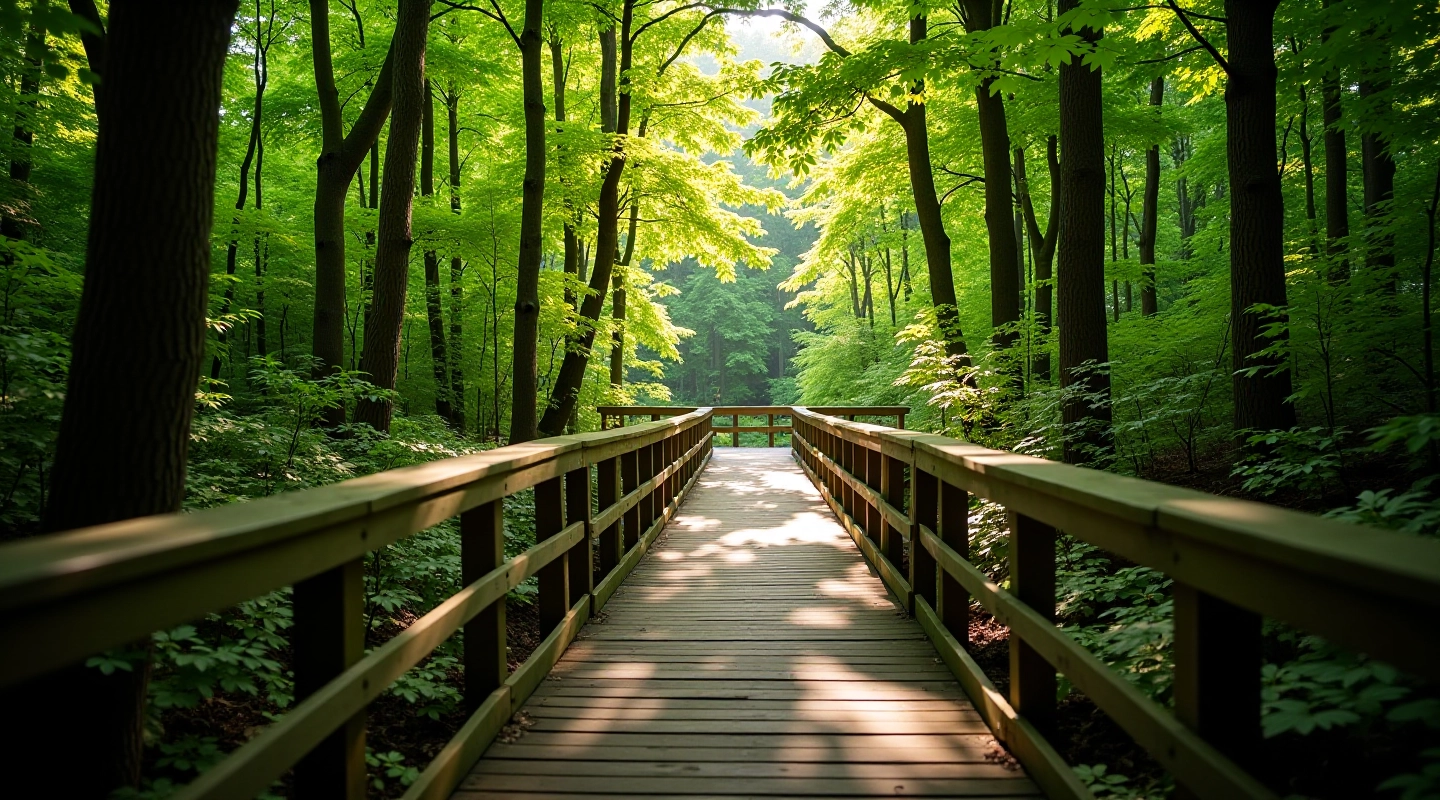
Dromore Wood Boardwalk: A Complete Walking Guide
The elevated wooden pathway makes this hazel woodland accessible year-round. We've mapped rest points and water access.
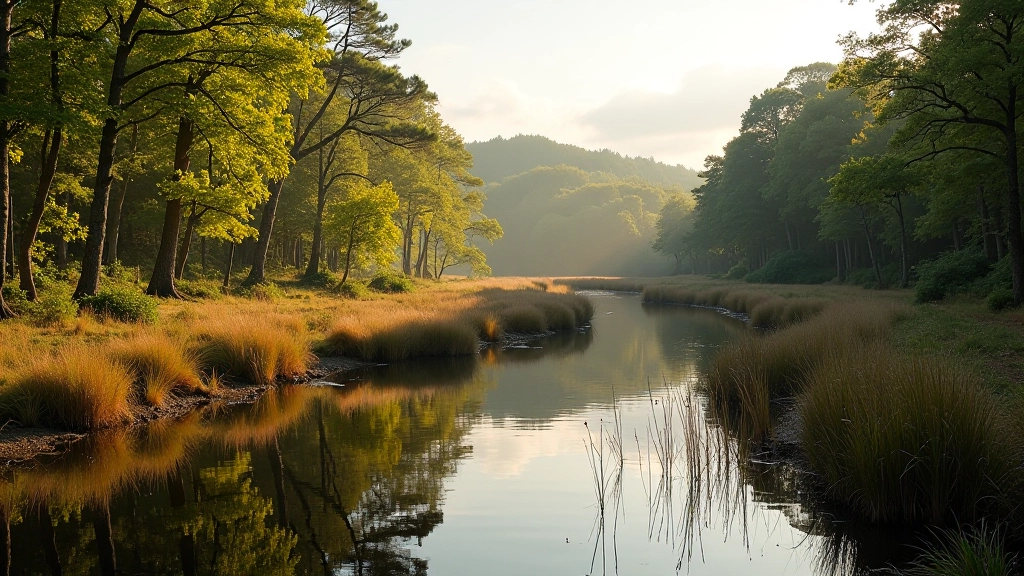
Turlough Shore Exploration: Seasonal Considerations
These temporary water bodies change throughout the year. Learn when they're accessible and what to expect.

Making the Most of Rest Stops: Pacing Your Visit
We've timed walking segments between rest benches and suggested break durations for different experience levels.