
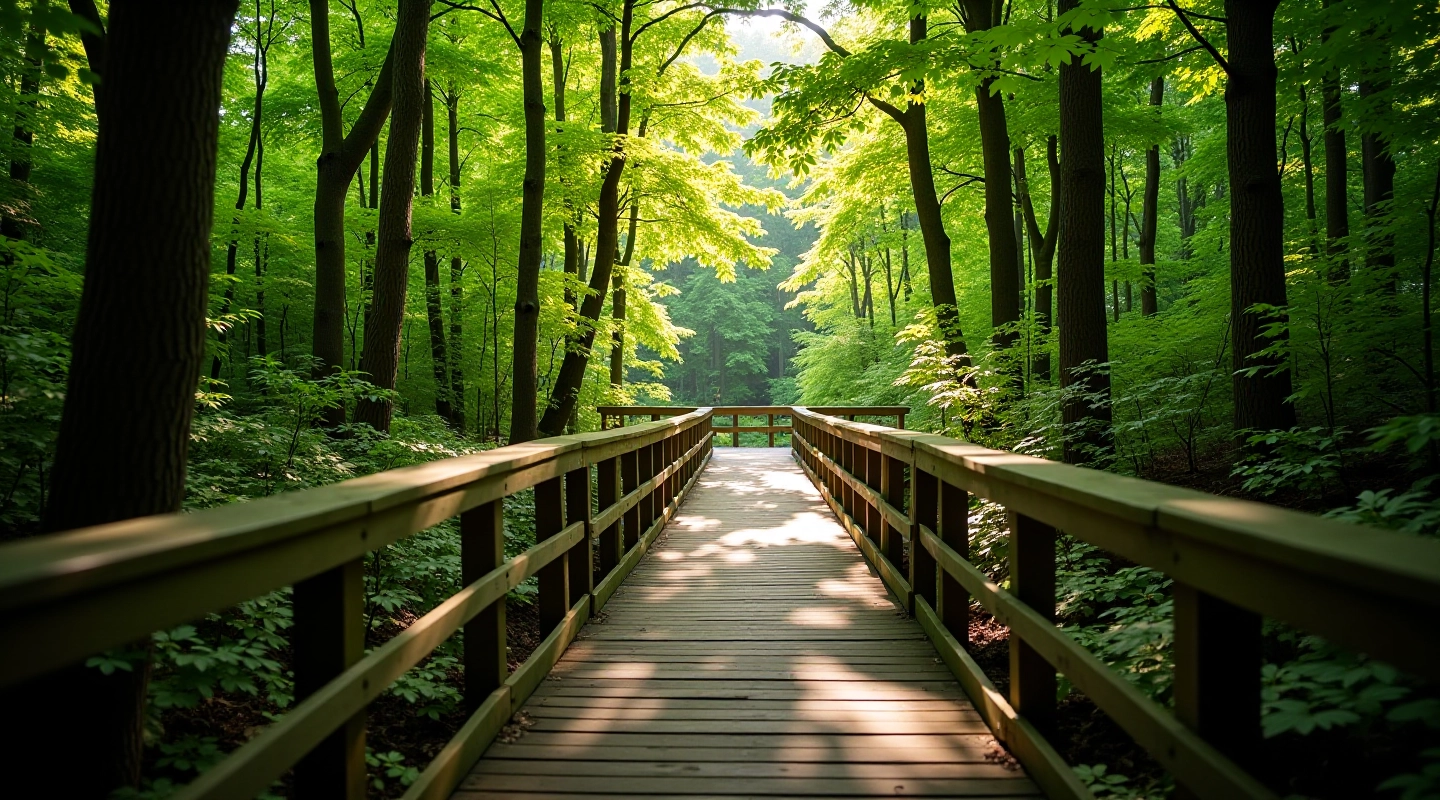
Dromore Wood Boardwalk: A Complete Walking Guide
The elevated wooden pathway makes this hazel woodland accessible year-round. We've covered everything from parking to seasonal variations.
We've timed walking segments between rest benches and suggested break durations. It's designed around realistic pacing, not rushing through the landscape.
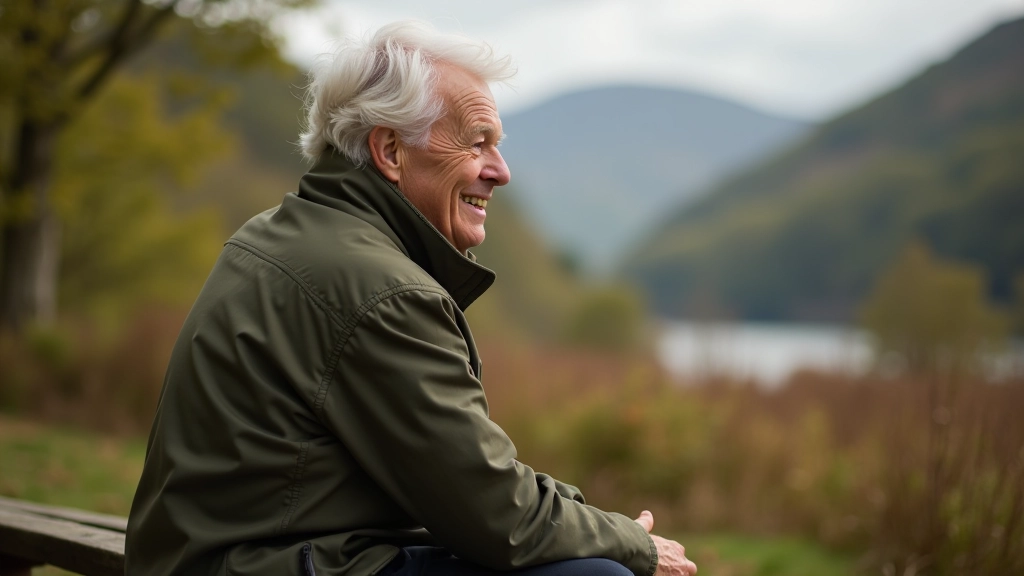
Rest stops aren't just places to sit — they're part of the whole experience. You're not trying to power through a woodland walk like you're training for something. The point is to actually enjoy what you're seeing, let your legs recover properly, and maybe chat with whoever's with you.
We've spent time at both the Dromore Wood boardwalk and the Turlough Shore routes, timing segments and noting where people naturally want to stop. The benches aren't randomly placed. They're positioned at spots where the terrain naturally slows you down or where the view deserves your full attention.
A good rest stop visit isn't about squeezing in as many walks as possible. It's about moving at a pace where you actually notice things — the hazel leaves, the spring water, the way light filters through the canopy.
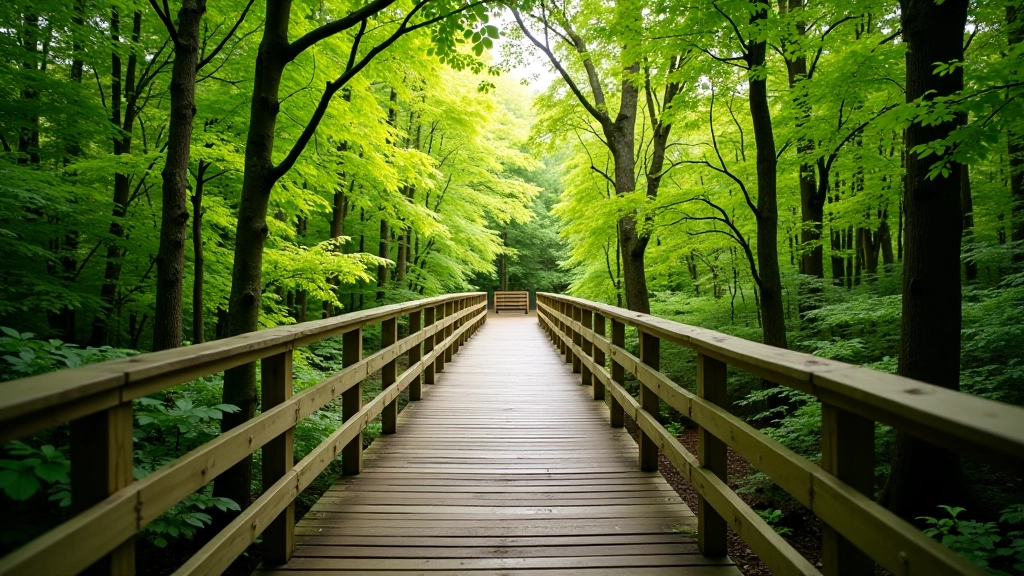
On the Dromore Wood boardwalk, the wooden pathway sections break naturally into 8-12 minute walks between rest points. That's not exhausting. It's enough time to settle into a walking rhythm without your legs getting heavy.
Most people rest for about 5-7 minutes at each bench — enough to catch your breath, take a drink of water, and actually look around. Don't rush this part. We've noticed folks who sit for two minutes and immediately stand up usually struggle on the next segment. Give yourself real recovery time.
This is when people often make mistakes. You're not supposed to stay completely still. A little movement during your rest actually helps. Stand up, walk to a viewpoint nearby, stretch your legs gently. That 5-7 minutes isn't for sitting rigidly on a bench.
Bring water — not just for drinking, but it gives you something to do. We've noticed that retirees who bring a proper water bottle (not just a sip bottle) have much better pacing. They hydrate properly, which means they don't hit the wall halfway through the next segment.
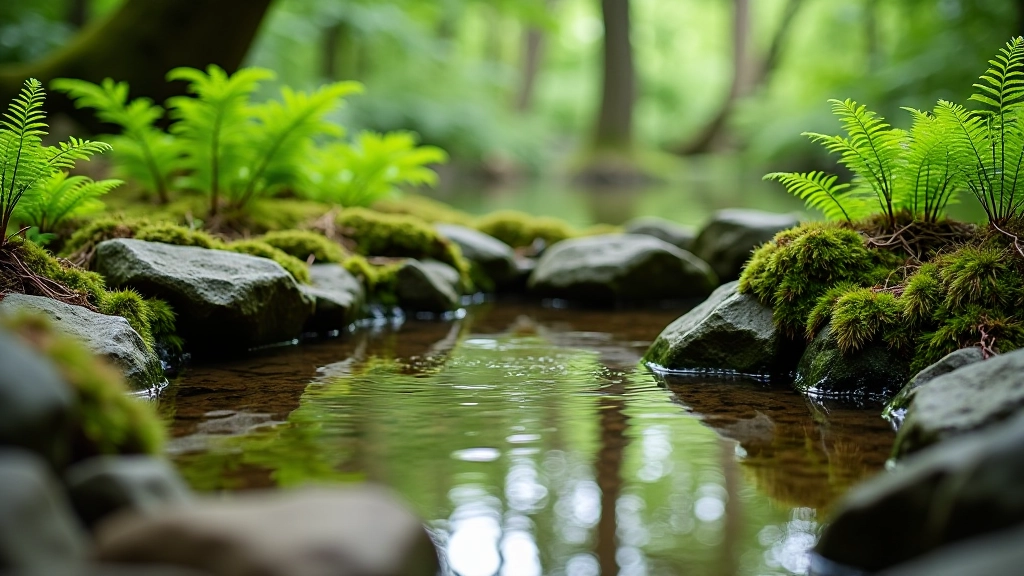
The Spring Well routes are excellent for this because there's actual water sources. You're not imagining hydration — you can see the spring, understand where the water's coming from, and that makes the whole walk feel connected to something real.
Not everyone moves at the same speed, and that's completely fine. Our timing guidelines are for average pacing — roughly 2.5 km/hour on flat sections, slower on slight inclines. If you're faster, you'll have longer walking segments. If you're slower, you'll rest more frequently, and that's the whole point of having multiple benches.
The Turlough Shore seasonal routes shift their pacing depending on conditions. When water levels are high, the path can feel softer underfoot, which naturally slows you down. That's not a problem — it's just reality. Your rest stops might be slightly longer in those conditions, and you should expect that.
Listen to your body. If you need 10 minutes instead of 6, take 10 minutes. The benches aren't going anywhere. There's no timer. The goal isn't to complete the walk in a specific time — it's to enjoy being outside without feeling exhausted afterward.
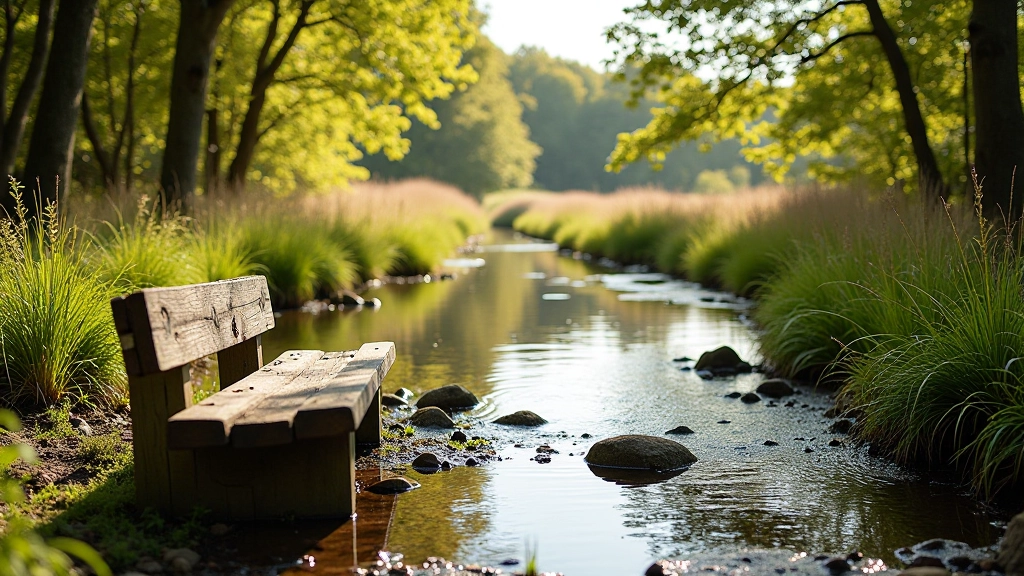
Your shoes affect pacing more than you'd think. The boardwalk at Dromore Wood is smooth, but woodland paths have texture. Supportive walking shoes with decent grip mean you won't unconsciously slow down or tense up on uncertain footing.
Drink small amounts regularly rather than chugging at rest stops. A 200ml bottle you sip from during walks keeps you consistent. You'll notice better pacing and fewer sudden energy dips between benches.
Warmer days mean you'll naturally slow down slightly and rest longer. This isn't weakness — it's adaptation. Plan longer visits on hot days, shorter routes on cool mornings. Work with the weather, not against it.
When you reach a bench, don't immediately sit. Stand for 30 seconds while your breathing settles. This small delay helps your body recover better and means your next segment won't feel as hard.
Familiar routes feel easier. The first time you walk something, you move slower because you're processing new information. That's normal. Second visits are noticeably different — you'll move faster without thinking about it.
Group pacing is slower than solo walking. That's actually an advantage — it forces you to move deliberately rather than rushing. Conversation during rest stops naturally extends them, which is fine. You're not training for speed.
Let's walk through an actual morning at Dromore Wood. You arrive around 9:30 AM, park, and start on the boardwalk. The first 8 minutes take you through the hazel woodland where the canopy's dense. You're warm but not overheated. You reach the first bench at the 10-minute mark (you walked slightly faster than average pacing).
You sit for 6 minutes. Take some water. Look at the ferns. Someone in your group mentions how quiet it is. You're relaxed — there's no pressure. Stand up, stretch your hamstrings gently for 30 seconds, and start the next segment.
The second walk takes 11 minutes because the path's slightly softer and you're pacing yourself more deliberately now. Second rest stop: 7 minutes because you're actually enjoying the space rather than rushing through it. By the time you're halfway through the walk, you've found your rhythm. Your legs feel good. Your breathing's stable. The next segments feel easier even though you're not moving faster.
Total time for a full circuit: about 90 minutes, including the final shorter segment back. That's not a workout. It's a proper nature walk where you've actually experienced something.
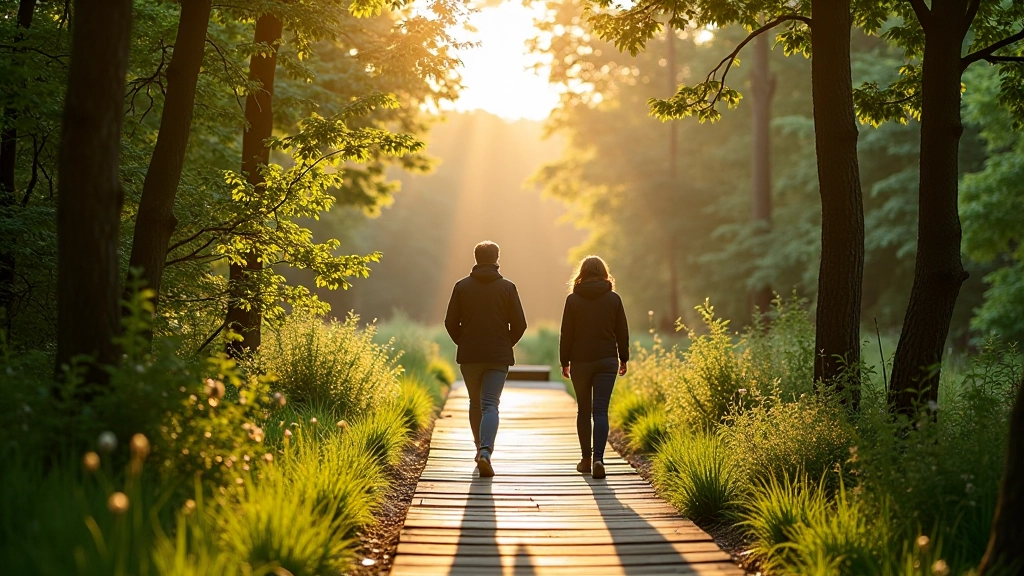
The best rest stop visit is one where you're not thinking about pacing. You're not watching the time. You're just walking at a speed that feels right, sitting when you need to sit, and actually noticing the landscape around you. That's what these routes are designed for.
The benches, the distances between them, the water sources on the Spring Well routes — they're all there because people have spent years figuring out what works. You don't need to reinvent it. Just use the guidance as a starting point and adjust based on how you feel that day.
Your pace is the right pace. There's no competition. Come back to these routes regularly and you'll notice your pacing naturally improves without any conscious effort. That's how it should work.
This guide is based on observations from actual visits to these woodland routes. Pacing varies significantly based on individual fitness, age, experience, and daily conditions. Always listen to your body and adjust your pace accordingly. If you have health concerns or mobility considerations, consult with a healthcare provider before undertaking longer walks. Weather, seasonal conditions, and maintenance work can affect actual route conditions and timing.
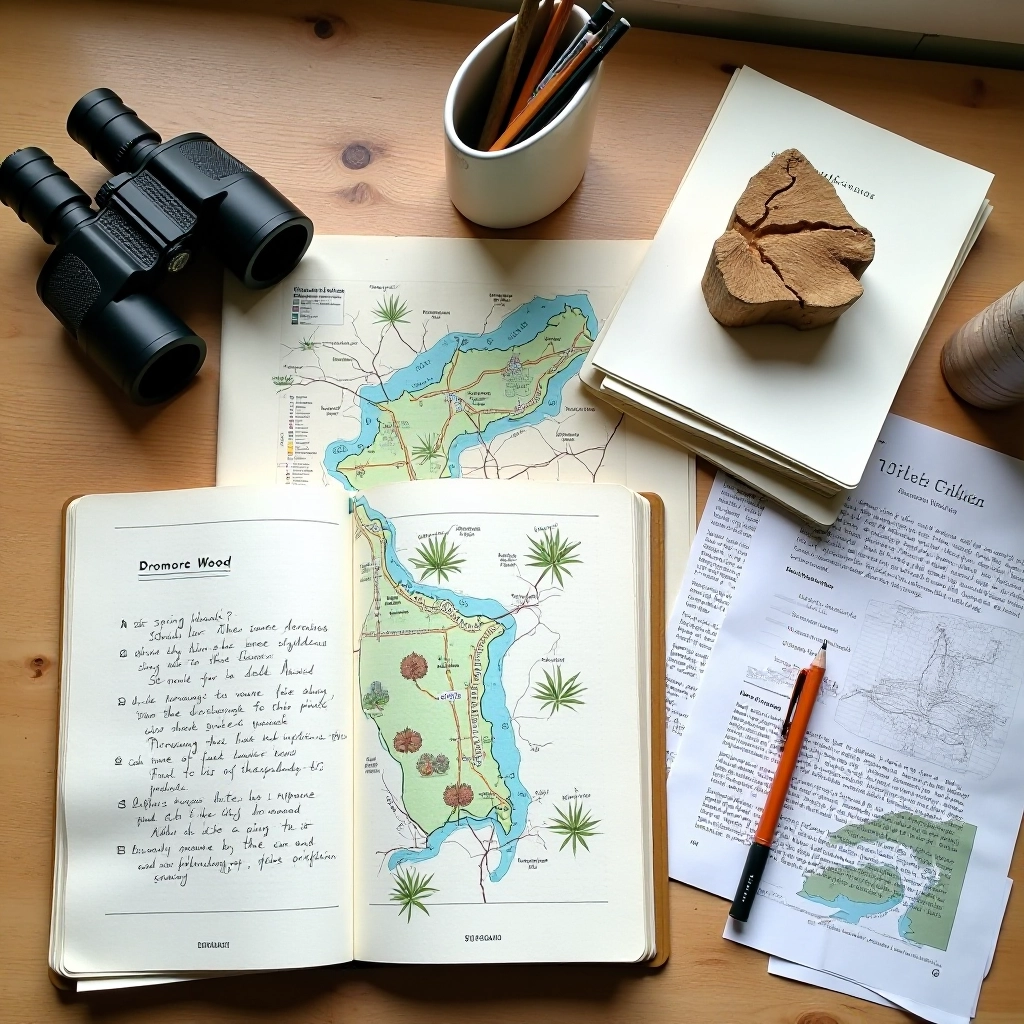
Editorial Team
Written by the Dromore Wood editorial team, focused on honest, practical guidance for nature walks and woodland rest.
The elevated wooden pathway makes this hazel woodland accessible year-round. We've covered everything from parking to seasonal variations.
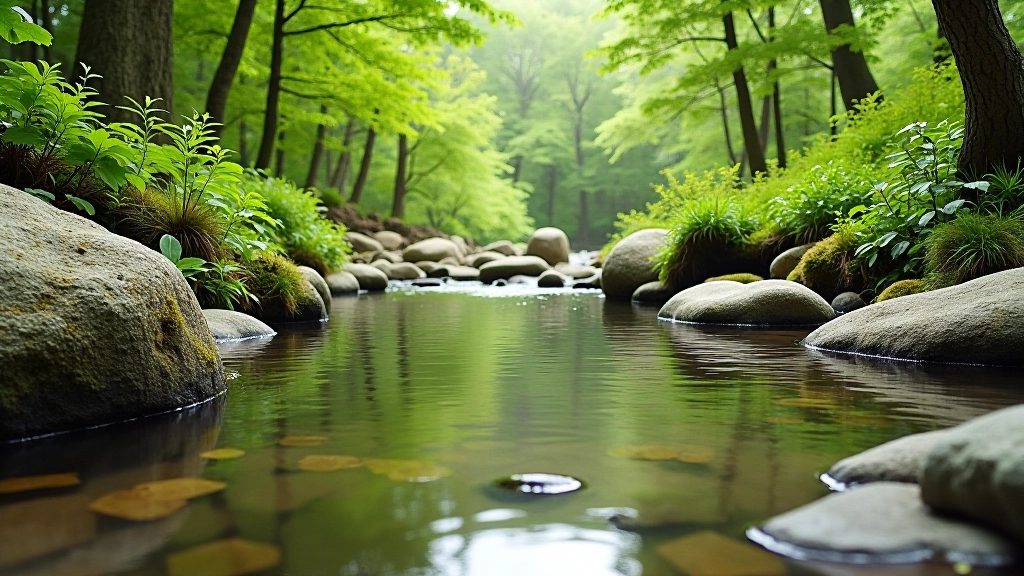
Natural water sources and established rest areas mark the path. This guide covers practical rest point locations and what to expect.
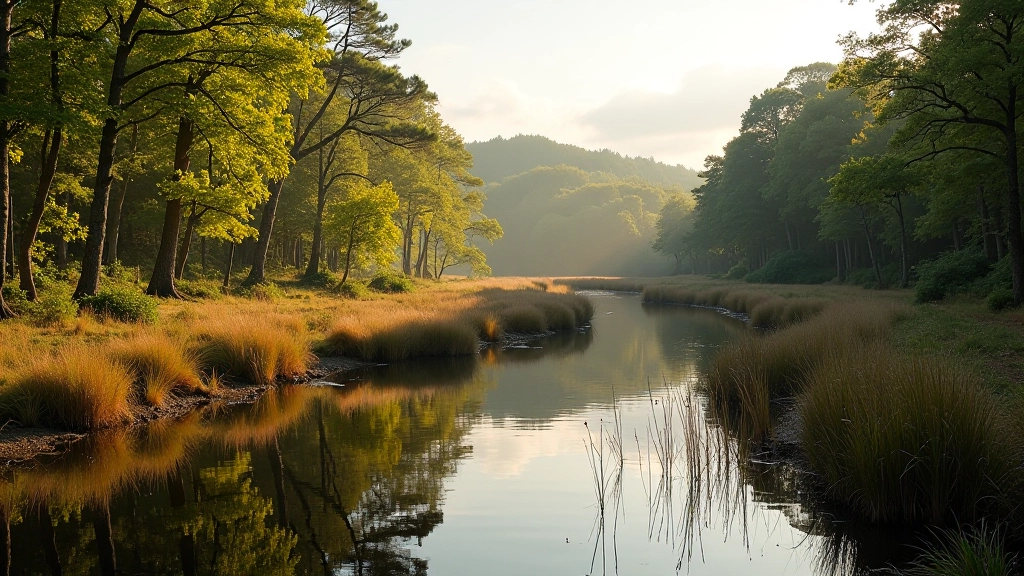
These temporary water bodies change throughout the year. Learn when they're accessible and what seasonal conditions affect your visit.