
Turlough Shore Exploration: Seasonal Considerations
These temporary water bodies change throughout the year. Learn when they're accessible, what to wear, and how to navigate the shoreline safely in different seasons.
Understanding Turloughs
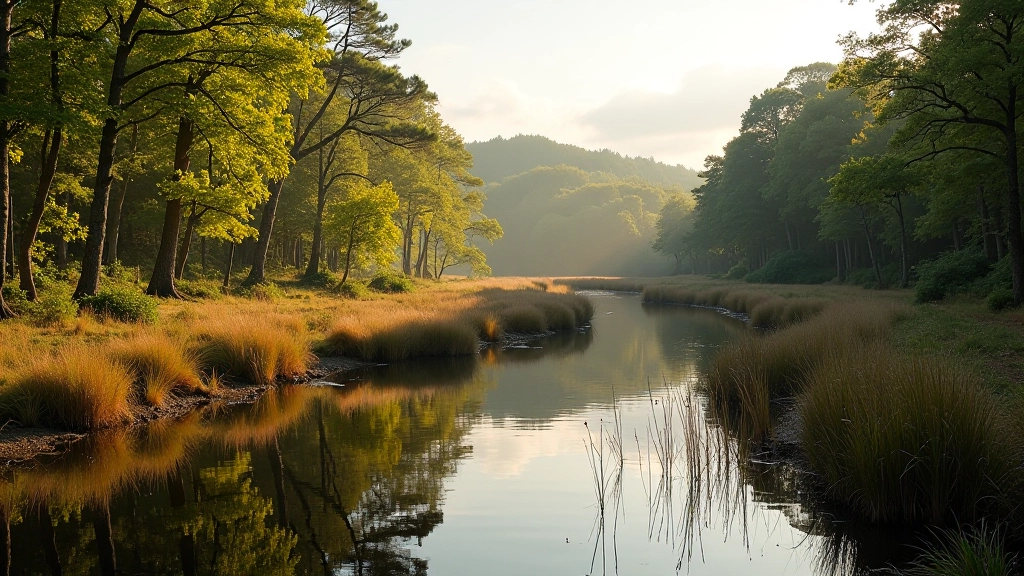
A turlough isn't a permanent lake. It's something more dramatic — a seasonal water body that fills in winter and autumn, then slowly empties through spring and summer. You'll find them across Clare's limestone landscape, and they're genuinely fascinating to explore. The shoreline shifts with the water level, revealing different paths and features as the seasons change.
What makes them special for walkers is that they're never quite the same twice. The plants that fringe the shore vary by season, the ground conditions differ dramatically, and the whole experience transforms depending on when you visit. That's why understanding the seasonal patterns matters — it changes everything about your walk.
Winter: When Water Levels Peak
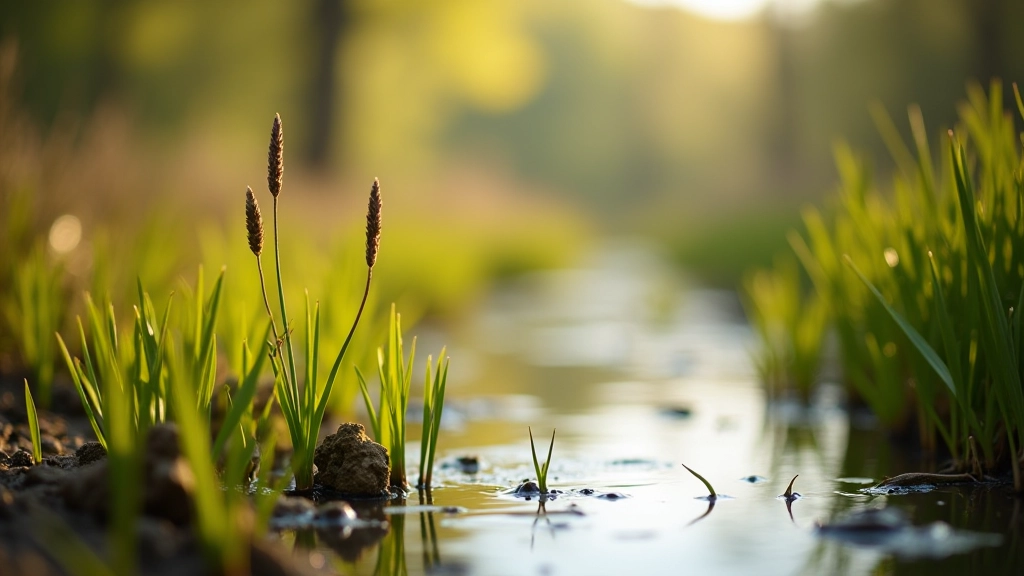
Winter turloughs are full — sometimes completely full. December through February brings the highest water levels, and the shoreline is often submerged or barely visible. The ground around the edge becomes waterlogged and muddy, sometimes impassable. You won't be walking right along the shore during peak winter.
But that doesn't mean you can't explore. You'll want to walk the perimeter path, staying back from the water's edge. Wear proper waterproof boots — not just water-resistant, but fully waterproof. The mud can be thick and sticky. A good waterproof jacket is essential, and layers underneath matter because you'll be out longer than you might think.
Spring: The Transition Begins
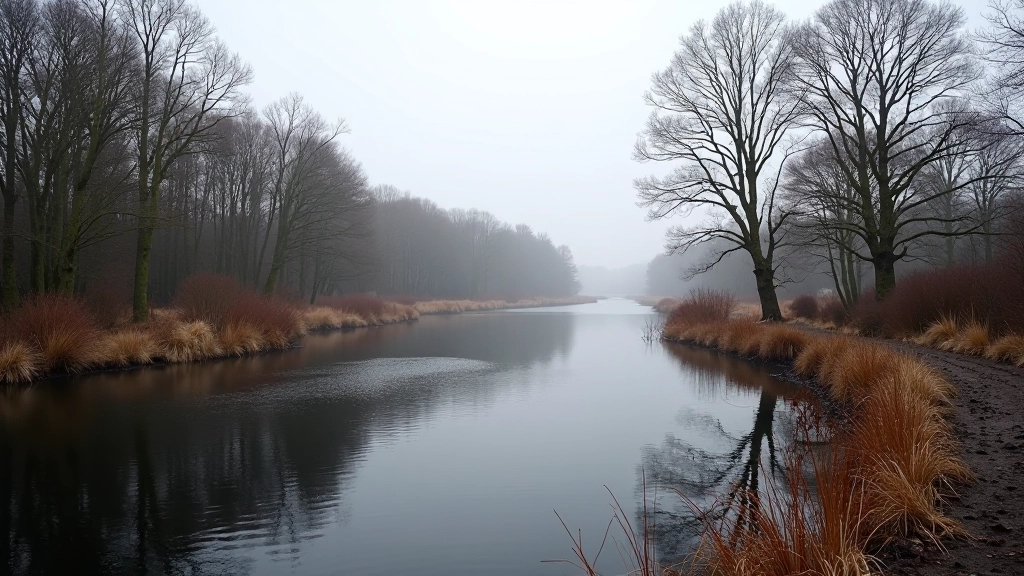
March and April are when things get interesting. The water level starts dropping noticeably — sometimes by several metres over just a few weeks. The shoreline emerges, revealing muddy banks and newly exposed ground. You'll start seeing more defined walking paths as the water recedes.
Spring is genuinely the best season for detail-spotting. New plant growth appears rapidly, and you'll notice wildflowers starting to colonise the exposed banks. The vegetation around the margins is still relatively low and manageable. Wear good boots because the ground is still boggy, but it's more navigable than winter. The weather's unpredictable though — bring a waterproof layer even if it looks clear when you set out.
Water levels can vary significantly depending on rainfall, so don't assume the same routes are open every year. Check conditions locally before visiting.
Summer: Dry Ground and Clear Views
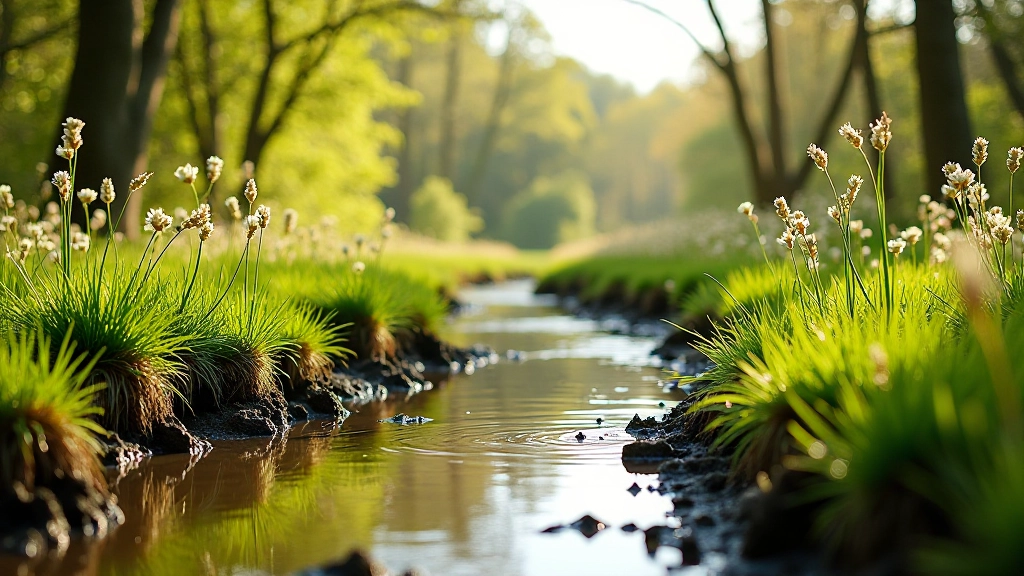
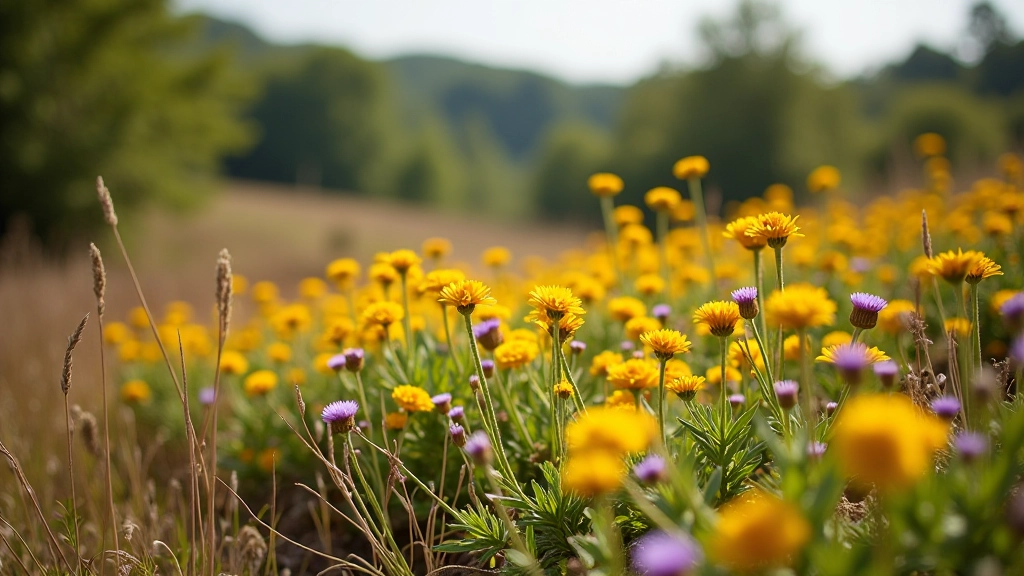
By June and July, many turloughs have dried out completely. What was water in January is now dry ground — sometimes completely dry, sometimes with small pools or marshy patches. The full shoreline is visible, and you can walk right across what was once the bed of the water body.
Ground Conditions
Mostly firm and dry, though still with occasional soft patches. Regular walking shoes are fine instead of boots. The terrain is genuinely easy to navigate.
What You'll See
Wildflower displays peak in June and July. The vegetation that colonises the exposed ground is at its fullest. Insects are abundant. It's genuinely lively.
What to Bring
Sun protection matters — there's less shade. A light layer for wind is sensible even if it's warm. Regular walking boots or even trainers work fine.
Autumn: The Refill
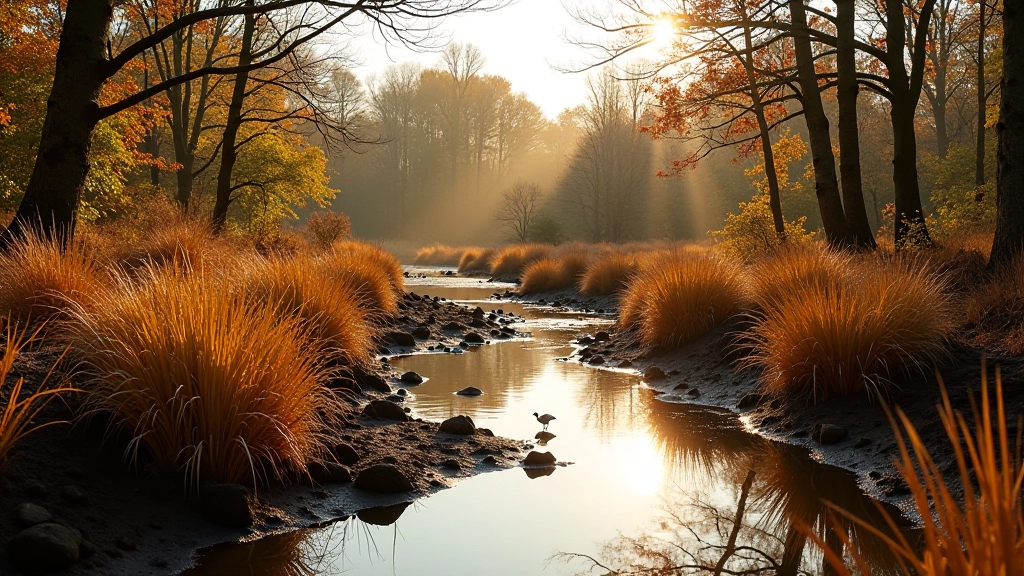
September and October bring the water back. It's gradual at first — small pools appearing in the lowest points. By November, you'll see significant water levels building up again. The autumn turlough sits somewhere between summer's dry meadow and winter's full basin.
This season's great because you get a bit of everything. The water's present but not overwhelming, so you can see the shoreline clearly. The vegetation is still visible but starting to yellow and brown. Walking is straightforward — bring boots for damp ground, but you won't be wading through mud like winter.
The light's particular in autumn too. Lower sun angles create interesting shadows across the exposed banks. If you're interested in photography or just want to see the landscape in a different way, autumn offers something special that the other seasons don't quite manage.
Practical Tips for Year-Round Exploration
Check Conditions First
Don't assume routes are open just because they were last year. Water levels vary with rainfall. Contact local information or check with visitor services before heading out if you're planning to walk the actual shoreline.
Footwear Matters
Winter and spring need proper waterproof boots with good grip. Summer's flexible, but autumn's still damp enough that boots make sense. Don't underestimate how muddy the ground can get.
Layer Your Clothing
Even in summer, the wind across open water can be surprisingly chilly. Layers let you adjust as you go. A waterproof outer layer makes sense year-round because weather changes fast.
Respect the Ground
Stay on established paths when they exist. The ground around turloughs can be sensitive, especially in spring when new growth is fragile. Boggy areas need careful footing to avoid slipping.
Plan Your Pace
Walking around a turlough's shoreline isn't about speed. The terrain often slows you down naturally, and that's fine. Build extra time into your visit, especially in winter and spring when ground conditions are challenging.
Making Your Seasonal Visit
Turloughs aren't static landscapes. They're dynamic, changing dramatically through the year. That's what makes them genuinely worth exploring in different seasons. Winter shows you the full scale of the water body. Spring reveals the transition and new growth. Summer opens up the dry bed for close examination. Autumn brings the refill and creates moody light.
Pick the season that suits you. Winter needs proper gear but offers dramatic scenery. Spring's muddy but full of life. Summer's easiest for walking. Autumn's genuinely beautiful. There's no wrong choice — just different experiences depending on when you visit.
The key is preparing properly for the season you choose. Good boots, waterproof layers, and realistic expectations about pace and ground conditions will make your turlough exploration safe and genuinely enjoyable.
Information Disclaimer
This guide provides general information about seasonal conditions at turloughs in Clare. Conditions vary significantly based on rainfall, groundwater levels, and local weather patterns. Always check current conditions locally before visiting, especially if planning to walk the shoreline. Water levels can change rapidly. Terrain can be unpredictable. Use appropriate footwear and safety precautions. If you're unsure about conditions or terrain, consult with local guides or visitor information services before your visit.
Author
Dromore Wood Editorial Team
Editorial Team
Written by the Dromore Wood editorial team, focused on honest, practical guidance for nature walks and woodland rest.